

The Asháninka
The Asháninka are one of the largest Indigenous groups in the Amazon rainforest, primarily residing in Peru and the border regions of Brazil. Their history stretches back thousands of years, long before European colonisation.
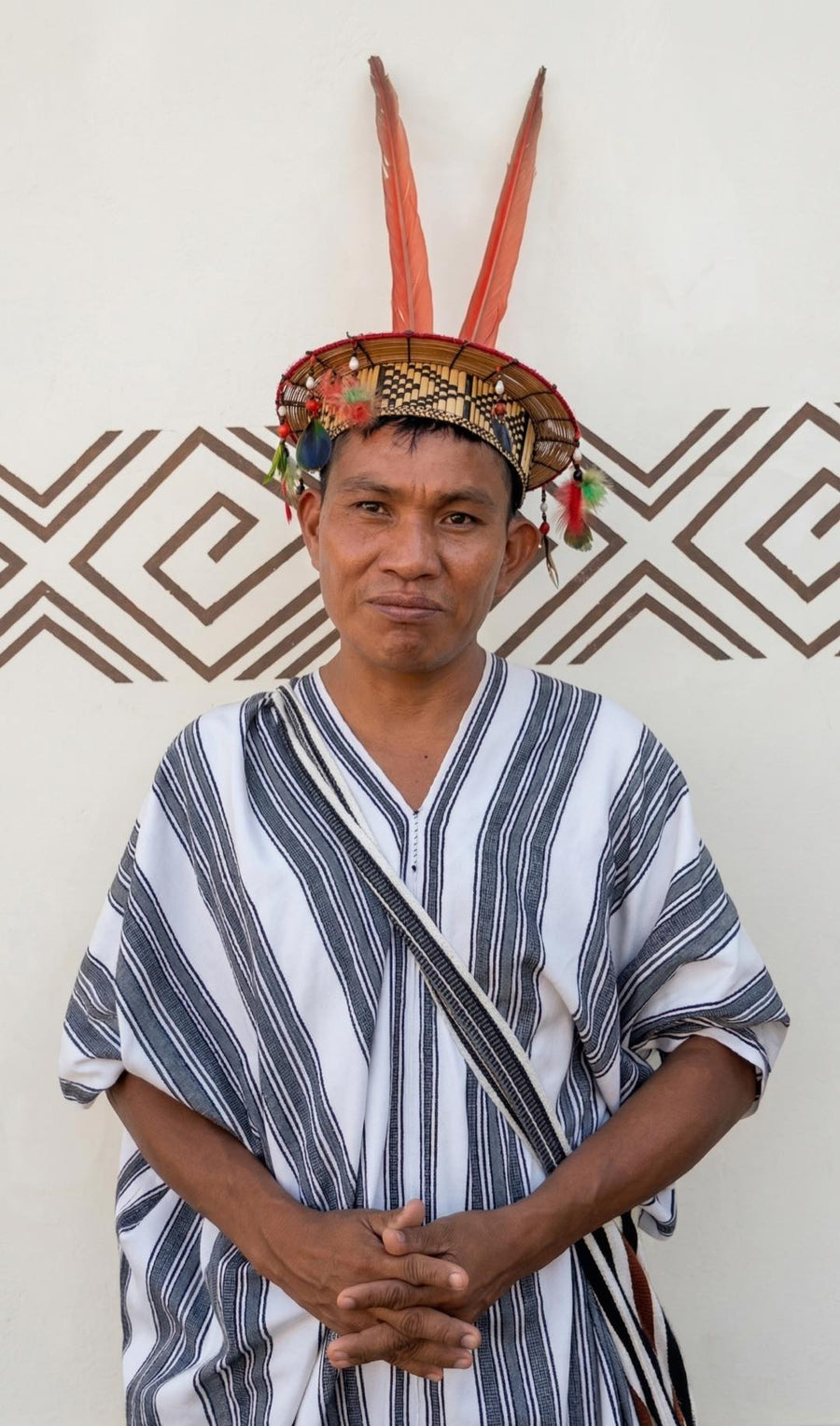
Traditionally semi-nomadic, the Asháninka people relied on hunting, fishing, and shifting agriculture to sustain themselves within the rich biodiversity of the Amazon. Their deep connection to the land is evident in their spiritual practices, where they view themselves as stewards of the forest, living in harmony with nature.
During the colonial period, the Asháninka suffered greatly under the influence of Spanish rule. Spanish missionaries established missions that attempted to convert them to Christianity, disrupting their way of life. In the late 19th century, the rubber boom brought further devastation as the Asháninka were enslaved or forced into labour camps to extract rubber. During this period, they were victims of unspeakable violence and a massive reduction of their population, which led many to flee deep into the jungle to escape persecution.
In the 20th century, the Asháninka encountered new threats from both national governments and foreign corporations interested in exploiting the natural resources of their land, such as timber and oil.
During the Peruvian internal conflict (1980–2000), the Asháninka were caught in clashes between the Shining Path guerrillas and government forces.
For decades they suffered brutal massacres, displacement, and forced conscription. At least 6,000 Asháninka people were murdered during this period, and thousands of families were torn apart.
Despite these staggering challenges, the Asháninka have worked diligently to preserve their lands and culture. They have gained legal recognition of significant portions of their ancestral territories, although illegal logging, mining, and narcotrafficking continue to pose major threats. The Asháninka have responded by organising community-based conservation projects, reforesting their lands, and advocating for their rights on both national and international stages.
Spiritual connection to the forest
Their spirituality is deeply connected to the forest, particularly through the use of sacred plants like ayahuasca, tobacco, coca and cacao.
The Asháninka communities we partner with have pioneered sustainable cacao cultivation as the first all-Indigenous co-operative in Peru, using their regenerative farming knowledge as a means to preserve their traditional ways of life and combat environmental destruction.
In our time in the village, we experienced a culture of deep interdependence with the forest. Fishing, hunting, and harvesting are organised and shared among families, creating a strong, interdependent bond where there is little need or desire for interaction beyond their own close-knit communities.
The larger community organically form smaller networks along the forests and rivers, creating essential webs of connection throughout the neighbouring villages.
By choosing Cacao Love
By choosing Cacao Love, you are actively contributing to a larger movement that supports Indigenous-led conservation and sustainable agroforestry.
Together, we help to ensure that the Asháninka people can continue to live in harmony with the forest, safeguarding it for future generations while sharing the sacred gifts of cacao with the world.
Pasonki, thank you in Asháninka.